
Residential
Apartments, co-ops, brownstones and houses. Start with the pest you are seeing and the rooms involved.


Serving Manhattan, Brooklyn, Queens, the Bronx and Staten Island.
Residential and commercial pest control across Manhattan, Brooklyn, Queens, the Bronx and Staten Island.
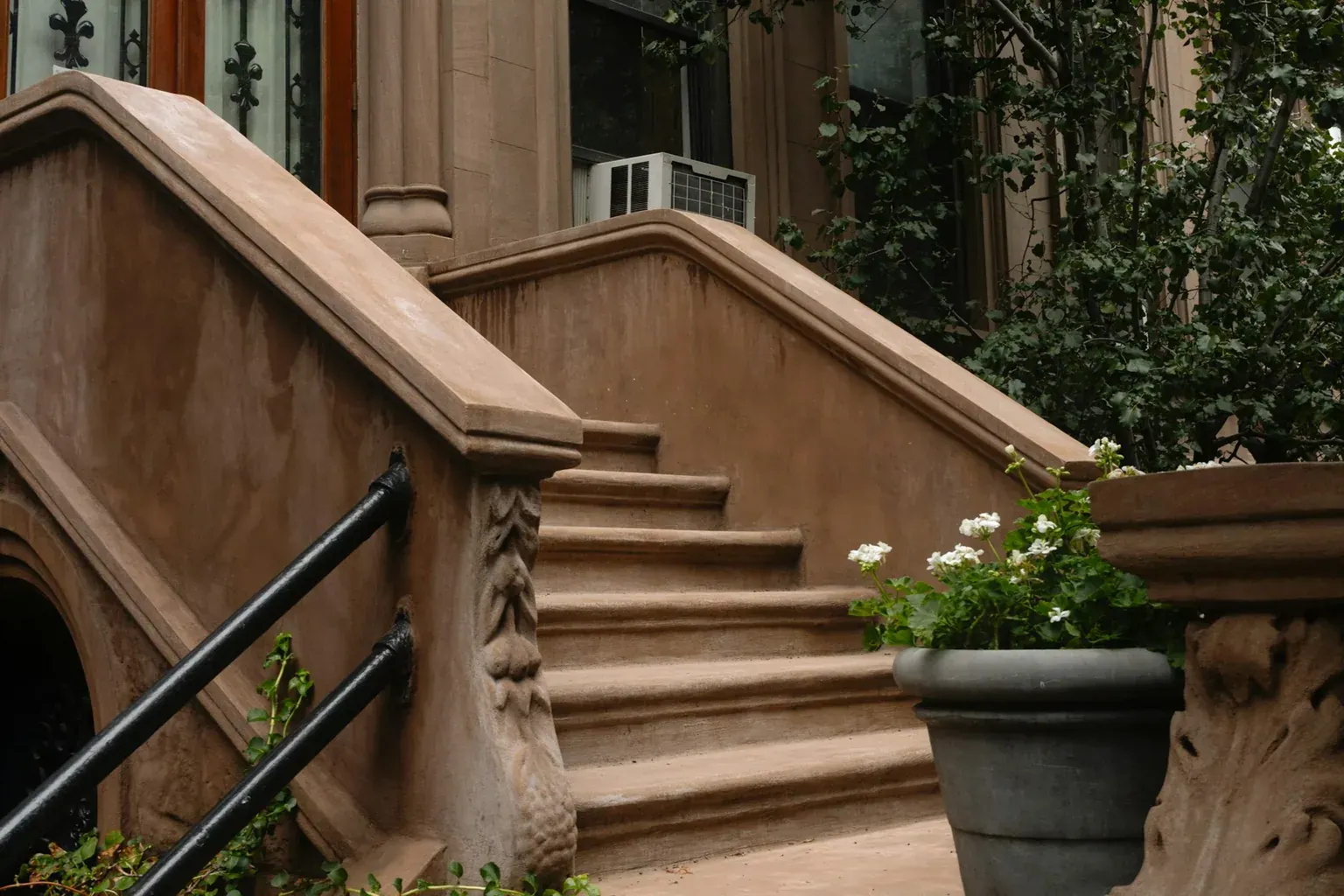
Prewar walk-ups, high-rises, brownstones and warehouses each have their own patterns. We plan around the building and the neighborhood, not only the borough.
Age, construction, shared walls, basements and how the structure lets pests move.
Activity in adjacent units and common areas often decides how treatment is planned.
Doorman procedures, tenant access and operating hours.
The conditions that attract pests and how they are managed.
Pest control in New York City happens inside a set of citywide rules.
The city Health Code (Article 151) requires the person in control of a property, whether owner, managing agent or occupant, to keep it free of pests and of the conditions that support them: accumulated refuse, gaps in walls and floors, food and water pests can reach, and dense vegetation that shelters rodents. It also says pesticides cannot substitute for those measures. That is why our visits start with conditions, not with a spray.
Trash rules matter as much as treatment. Under Sanitation rules, buildings with one to nine units must put out trash after 6 p.m. in bins of 55 gallons or less with secure lids, and larger buildings either use lidded bins after 6 p.m. or set bags out after 8 p.m. Food businesses have had to use lidded containers since August 2023. The Health Department has also designated four Rat Mitigation Zones with extra inspection and outreach: the Grand Concourse in the Bronx, Bushwick, Bedford-Stuyvesant and Prospect Heights in Brooklyn, and Harlem and the East Village, Lower East Side and Chinatown in Manhattan.
Homes and businesses plan service differently. Pick the path that fits.
Apartments, co-ops, brownstones and houses. Start with the pest you are seeing and the rooms involved.
 Residential
Apartments, co-ops, brownstones and houses. Start with the pest you are seeing and the rooms involved.

Restaurants, offices, healthcare, logistics and more. Start with your industry and operating schedule.
 Commercial
Restaurants, offices, healthcare, logistics and more. Start with your industry and operating schedule.
Conditions change from borough to borough. Here is what we plan around in each.
High-rises, prewar buildings, restaurants and offices. Shared walls, risers and basements shape how pests move.
ManhattanHigh-rises, prewar buildings, restaurants and offices. Shared walls, risers and basements shape how pests move.
Brownstones, walk-ups, multifamily buildings and busy commercial corridors, often with shared walls and cellars.
BrooklynBrownstones, walk-ups, multifamily buildings and busy commercial corridors, often with shared walls and cellars.
Row houses, garden apartments, mixed-use blocks and warehouses across a large and varied borough.
QueensRow houses, garden apartments, mixed-use blocks and warehouses across a large and varied borough.
Apartment buildings, walk-ups, houses and commercial strips, plus distribution and industrial sites.
The BronxApartment buildings, walk-ups, houses and commercial strips, plus distribution and industrial sites.
Single-family homes, townhouses, wooded and waterfront properties, and commercial sites with outdoor pest pressure.
Staten IslandSingle-family homes, townhouses, wooded and waterfront properties, and commercial sites with outdoor pest pressure.
A short request is enough to start. Tell us what you have noticed and where, and we will follow up to plan the assessment.
The pest or signs you have seen, the rooms or areas involved, and how long it has been happening.
We review your request and follow up to discuss access, preparation and the assessment.
Tell us what you are seeing and where. We will help you choose the right starting point for your home or business.