
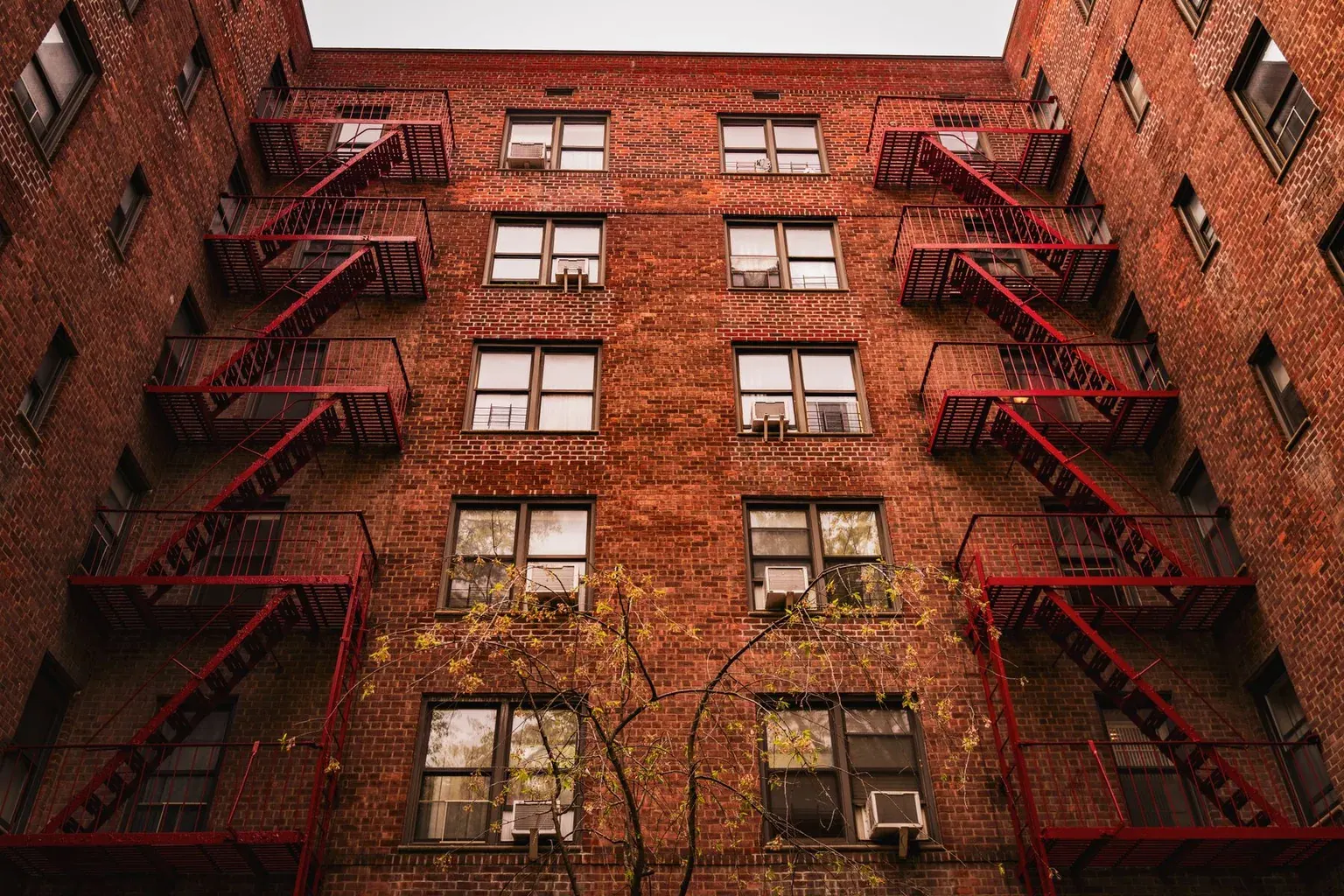
PEST CONTROL FOR MULTIFAMILY BUILDINGS.
PEST CONTROL FOR APARTMENT BUILDINGS.
Building-wide pest management for New York City apartment buildings and co-ops, coordinated with managers, boards and residents.
PEST CONTROL
ACROSS THE WHOLE BUILDING.
In an apartment building a pest is rarely confined to one unit. Cockroaches, mice and bed bugs travel through shared walls, pipe chases, risers, trash rooms and basements, so treating a single apartment often moves the problem next door. A building-wide approach breaks that cycle.
We work with the manager, super or board to put one plan in place: which units are inspected, how residents are notified, what common areas need attention and how results are recorded. Residents get clear preparation instructions, and management gets one picture of the whole building.
WHAT SHAPES
A BUILDING PROGRAM.
Each factor changes how and where we work.
Unit access
Notice periods, access agreements and missed appointments decide whether a treatment reaches every unit in a line or stack.
Shared structure
Walls, plumbing chases, compactor rooms and basements connect units, so treatment follows the building’s vertical lines as well as its floors.
Bed bugs and cockroaches together
Both can be reported in the same building. They need different methods, and each is sequenced so one treatment does not undo the other.
Resident responsibilities
Clutter, access, laundry handling and prompt reporting by residents all affect results, so we explain them in plain, written notices.
CITY RULES
BUILDINGS WORK WITHIN.
A building program should support the owner’s obligations, not sit beside them.
Annual inspections under Local Law 55
Owners of buildings with three or more apartments must inspect every unit and common area for pests and mold each year and respond to complaints. Our inspection notes can be organized by unit to support that record.
Integrated pest management
The law asks owners to remove nests and debris, seal holes and gaps, fix leaks and fit door sweeps, and to use pesticides sparingly through a DEC-licensed professional. Our reports list the repairs we find so maintenance can close them.
Vacant units and new leases
Vacant apartments must be free of pests before re-occupancy, and tenants receive the city’s indoor allergen notice with their lease. A turnover inspection before move-in is a simple way to confirm a unit is ready.
Bed bug history under Local Law 69
Owners of multiple dwellings file an annual bed bug report with HPD and share each building’s history with tenants. Dated inspection and treatment records make that filing accurate.
OUR
APPROACH.

STEP 01
BUILDING SURVEY
We review complaints, inspect reported and adjacent units and common areas, and identify likely source units and building conditions.

STEP 02
COORDINATED TREATMENT
Treatments are scheduled by line or floor with tenant notices and preparation sheets, using baits, targeted residuals, exclusion and, for bed bugs, methods suited to each unit.

STEP 03
FOLLOW-UP AND REPORTING
We return to check units and monitors, record who was treated, who was missed and what common-area work remains, and send management a clear report.
YOUR
QUESTIONS.
Who notifies the tenants?
Management normally sends the formal notice. We can provide plain-language preparation sheets and the dates and unit lists so notices go out with the right information.
What if a resident refuses access?
Missed units are logged and reported to management. Because pests move between units, we recommend a follow-up approach agreed with the building rather than leaving gaps.
Do you inspect only reported units?
No. We usually inspect the units above, below and beside a report, along with the shared spaces the activity could be using.
How will we know what was done?
A written report lists units visited, findings, products and methods, units not reached and recommended building repairs, so management can follow up and keep its own records.
REQUEST
A QUOTE.
Tell us about the building, who manages it and what has been reported. We will plan the assessment around your residents and your calendar.
Describe the building
Number of units and floors, whether it is a rental or co-op, and who the super or managing agent is.
List the reports
Which units or lines have reported cockroaches, bed bugs or rodents, and how long it has been going on.
Explain how access works
Notice requirements, access hours and whether staff can enter with resident consent or appointment.
NEW YORK CITY.
ALL FIVE BOROUGHS.
LET’S PUT PESTS
ON NOTICE.
Tell us what you are seeing and where. We will help you choose the right starting point for your home or business.