
Cockroaches
Inspection, targeted baiting and sealing for cockroaches in New York City homes and apartments.

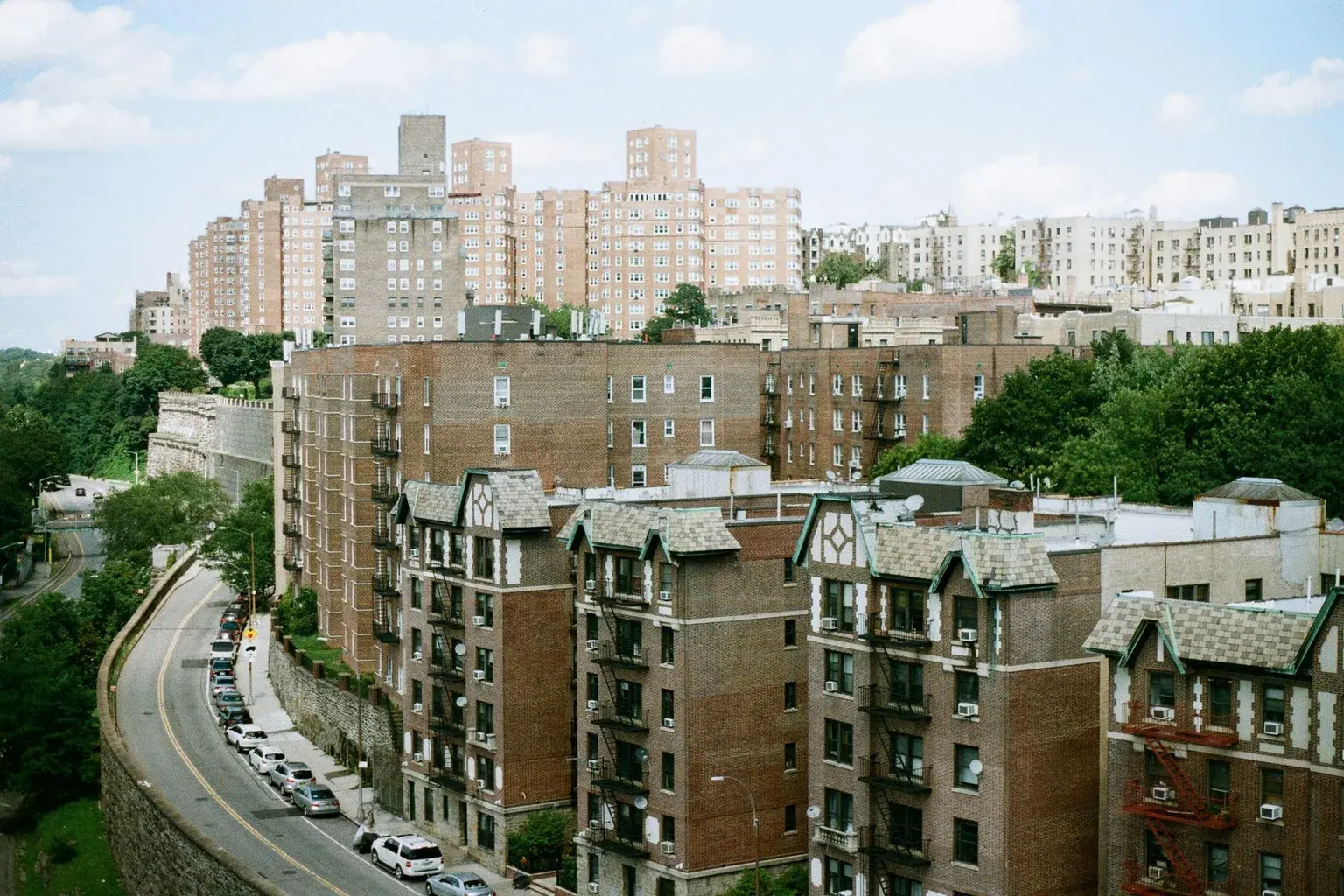
Large apartment buildings, houses and distribution sites.
Inspection, treatment and follow-up for Bronx apartment buildings, houses with yards and commercial and industrial properties.
The Bronx has many large prewar and postwar apartment buildings and co-ops, where a shared plan across units, risers and common areas matters more than treating one apartment alone. We coordinate with managing agents, supers and boards so work covers the building, not just the unit that called.
Parts of the borough, including the north and west, have houses with yards and are near parks and green space, which brings outdoor pests and wildlife-related conditions closer to homes. Areas like Hunts Point hold food distribution and industrial properties, where receiving docks, cold storage and waste handling drive an inspection-based program with written records.
In the Bronx the work is driven by large apartment buildings and distribution corridors: cockroaches and bed bugs moving between units, mice and rats at gaps and trash areas, pigeons on ledges and under elevated rail structures, stink bugs on sunny walls of houses near trees, and ticks in yards next to parkland in the northern Bronx.
Inspection, targeted baiting and sealing for cockroaches in New York City homes and apartments.
 Cockroaches
Inspection, targeted baiting and sealing for cockroaches in New York City homes and apartments.

Entering at gaps and trash areas in apartment buildings, and drawn to food and distribution sites.
 Mice and rats
Entering at gaps and trash areas in apartment buildings, and drawn to food and distribution sites.

Inspection, heat or targeted treatment, preparation guidance and follow-up checks for bed bugs in New York City apartments and homes.
 Bed bugs
Inspection, heat or targeted treatment, preparation guidance and follow-up checks for bed bugs in New York City apartments and homes.

Pigeons roosting on building ledges and under elevated rail structures.
 Birds
Pigeons roosting on building ledges and under elevated rail structures.

Fall invaders on sunny walls of houses near trees and gardens.
 Stink bugs
Fall invaders on sunny walls of houses near trees and gardens.
Give us your super, managing agent or board contact so we can arrange access to basements, compactor rooms and riser areas in large buildings.
For houses, tell us about gardens, fences, sheds and nearby trees or parkland so we can inspect where pests shelter outside.
For distribution and industrial sites, share receiving schedules, cold-storage areas and waste practices so monitoring and sanitation notes fit your operation.
What the city tracks here, and what it means for your building.
The Grand Concourse area is one of the city’s four Rat Mitigation Zones, where the Health Department concentrates rat inspections and outreach. In zone neighborhoods and beyond, the conditions an inspector notes are the same ones we look for: open trash, burrows in tree pits and yards, gaps at the foundation and cellar doors, and food left accessible. Sealing those points and keeping trash in lidded containers does more than bait alone.
In the northern Bronx, including Pelham Bay Park and Hunter Island, the Health Department reports established populations of blacklegged ticks, along with Asian longhorned and lone star ticks. For houses that back onto parkland, tick management is mainly about the yard edge: leaf litter, brush and where children and pets play. We explain what an outdoor plan can and cannot do and when personal precautions matter more.
Pests move through shared walls, pipe chases and common areas, so treating one unit can leave activity next door. A coordinated plan covers neighboring units and shared spaces, with preparation instructions for residents.
Yes. We inspect the exterior and interior, look for rodent and insect entry points, and recommend sealing, sanitation and yard conditions to reduce harborage and standing water.
Yes. We plan inspection, monitoring devices and corrective-action notes around docks, storage and waste areas, with service reports your team can keep for its own records.
A short request is enough to start. Tell us what you have noticed and where, and we will follow up to plan the assessment.
The pest or signs you have seen, the rooms or areas involved, and how long it has been happening.
We review your request and follow up to discuss access, preparation and the assessment.
Tell us what you are seeing and where. We will help you choose the right starting point for your home or business.