Kitchens, pipe chases and shared walls across the city.
For New York City apartments, brownstones and houses. A plan built around where cockroaches hide, feed and travel, not just where you see them.
COCKROACHES IN YOUR HOME? START WITH THE SPECIES.
The right treatment depends on which cockroach you have and where it is living.
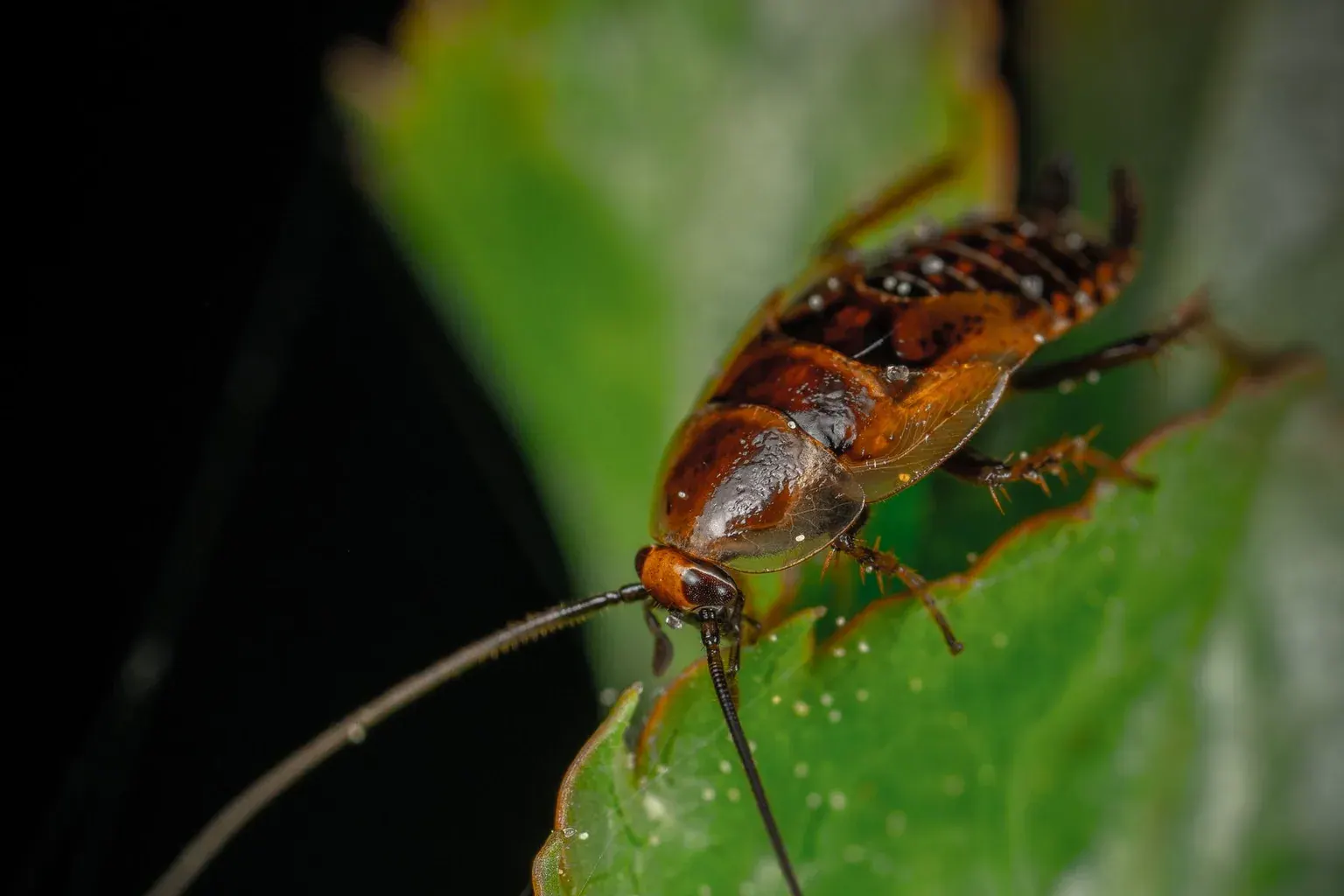
German cockroaches are small, light brown and breed quickly indoors, usually in kitchens and bathrooms. Larger American and Oriental cockroaches often come in from basements, drains, boiler rooms and shared building spaces.
In multi-unit buildings, cockroaches move through wall voids, pipe chases and shared walls, so a single apartment is rarely the whole picture. We identify the species, look at neighboring-unit and building-wide factors, and explain what falls to you, what falls to building management and what we handle.
WHERE WE SEE COCKROACHES IN NYC.
German cockroaches are most often a multifamily problem: older apartment buildings in Manhattan, Brooklyn and the Bronx share walls, risers and pipe chases, so activity moves between units. In Queens and Staten Island houses the pressure is more likely to be larger American cockroaches from basements, drains and utility areas.
From the first inspection to checking the results, every step has a purpose.
STEP 01
INSPECT & IDENTIFY
We check kitchens, bathrooms, appliance areas, plumbing penetrations and cabinet interiors, and place monitors to confirm species and activity.
Photos, sightings and the rooms you notice them in help us start in the right place.
STEP 02
TREAT & SEAL
We apply targeted baits and other products where cockroaches harbor, and recommend sealing gaps that let them travel.
You receive preparation and re-entry instructions that match the products used.
STEP 03
MONITOR & FOLLOW UP
We review monitor catches and activity at follow-up visits and adjust the plan if signs continue.
Sanitation and moisture notes help keep the result in place.
TARGET THE PROBLEM. CHOOSE THE APPROACH.
Most cockroach work combines several methods. The inspection decides which ones your home needs.
01
Gel and bait placement
Small, precise placements of cockroach gel bait in cracks, hinges and voids where insects feed and shelter. Foraging cockroaches take the bait back to the harborage, which is why placement matters more than volume.
We ask that you avoid wiping treated spots and spraying store-bought insecticides over bait.
02
Growth regulators and crack-and-crevice treatment
An insect growth regulator interrupts development so nymphs do not mature and breed. Crack-and-crevice and void applications reach harborages behind appliances, under sinks and along pipe chases.
Product choice follows the label, the room and who and what shares the space.
03
Exclusion and sealing
Caulking, escutcheon plates and sealed utility penetrations reduce how easily cockroaches move between units and rooms. We note openings that need a building-management or contractor repair.
KNOW THE SIGNS. LOOK BEYOND THE KITCHEN FLOOR.
Daytime sightings usually mean a larger population is hiding nearby.
Droppings and smear marks
Small dark specks that look like ground pepper or coffee grounds, or smears, along cabinet edges, hinges and appliance backs.
Egg cases and shed skins
Brown capsule-shaped egg cases and pale shed skins show breeding. Check behind refrigerators, under sinks and in the corners of drawers.
Odor and moisture
A stale, oily smell can build up in heavy infestations. Leaking pipes and damp cabinets give cockroaches the water they need.
Night activity
Cockroaches are active in the dark. Seeing them in daylight, or several at once when you switch on the light, suggests a crowded harborage.
YOUR PART. BEFORE AND AFTER THE VISIT.
Preparation helps the treatment reach the right places and keeps results in place.
Clear access
Empty the cabinets and drawers we need to treat, and leave the area beneath sinks and behind appliances accessible.
Store food and manage waste
Keep food in sealed containers, take out trash daily and wash dishes before bed so the bait is the most attractive food source.
Fix moisture
Report leaking pipes and fixtures to your landlord or building management and wipe up standing water overnight.
Follow the re-entry guidance
Our written instructions explain how long to stay out of treated areas and what to avoid wiping or washing.
YOUR QUESTIONS. CLEAR ANSWERS.
Are cockroaches a sign of a dirty home?
Not necessarily. Cockroaches are drawn to food, water and warmth, and they travel between apartments through walls and pipes. A very clean home can still have them. Cleanliness helps treatment work but does not decide whether they arrive.
Why do I see more cockroaches after treatment?
Baits and treatments can send hidden insects out of their harborages, so a short rise in sightings can happen. We explain what to expect and what to watch for before the first visit.
Do I need to treat the whole building?
In shared buildings, neighboring units can be a source. We recommend coordinating with building management and can discuss treating adjacent units or common areas when the inspection points that way.
Is treatment safe for children and pets?
Products are selected and applied according to their labels, and we place baits in cracks and voids rather than open surfaces. Tell us about children, pets, and anyone with respiratory conditions so we can plan around them.
How many visits will it take?
It depends on the species and how established the problem is. Light activity may settle after an initial treatment and a follow-up. Heavy German cockroach populations commonly need several visits, and we explain the schedule after the inspection.
Who is responsible for cockroaches in a rental apartment?
In buildings with three or more apartments, Local Law 55 requires the owner to inspect for and correct pest infestations using integrated pest management, including sealing gaps and repairing leaks. Tenants help by keeping food sealed and reporting activity and leaks to the landlord in writing; unresolved conditions can be reported to the city through 311.
READY FOR THE VISIT? START HERE.
A little information helps us plan the assessment. Before treatment, we will give you preparation instructions for your home.
Tell us what you have seen
Share the rooms, the time of day, whether insects are small or large, and any photos. Mention pets, access needs and building-management coordination.
Keep a simple log
Note the date and place of each sighting for a few days. It helps us find the harborage and measure progress.
Hold off on store-bought sprays
Over-the-counter sprays can scatter cockroaches and spoil bait placements. Ask us before applying anything.