
PEST CONTROL FOR WAREHOUSES & LOGISTICS.
PEST CONTROL FOR WAREHOUSES AND DOCKS.
Pest management for New York City warehouses, distribution centers and loading docks, built around incoming freight, open doors and large storage volumes.
PEST MANAGEMENT
FOR HIGH-VOLUME FACILITIES.
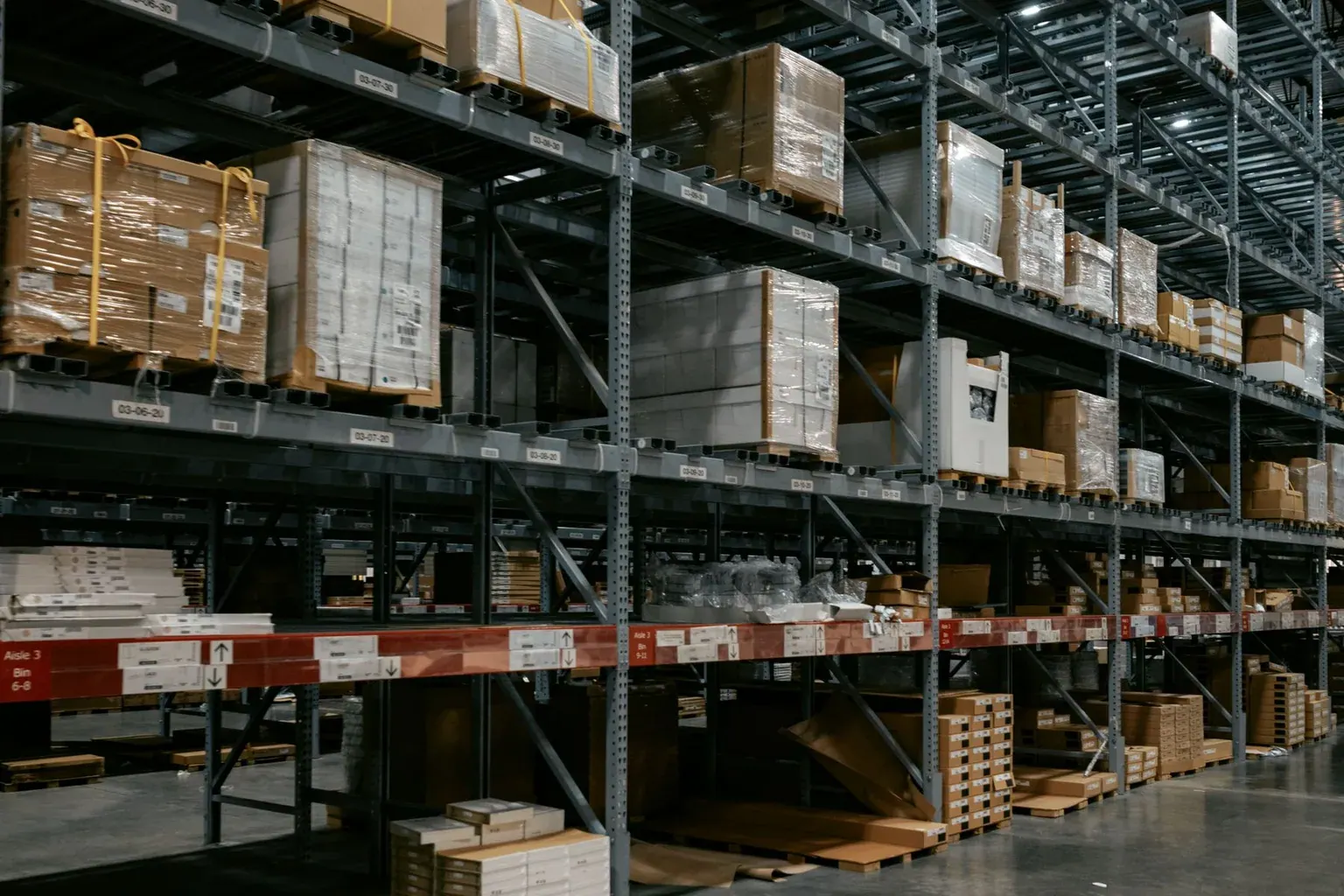
A distribution center is a large, loosely enclosed space where goods arrive from many origins and sit on racking for weeks. Dock doors open and close all day, trailers back up to the building, and there is often a loading yard or water nearby. Those conditions favor pests that arrive with freight or move in from outside.
Our approach concentrates on the places where pests enter and where product sits undisturbed: dock doors, seals and levelers, pallet staging, racking and outdoor perimeters. The service is organized as zones, so findings can be tied to an area of the building and followed over time.
RISKS TO
KEEP IN MIND.
Freight, doors and outdoor conditions drive most problems.
Rodents at the dock
Worn door seals, gaps under levelers and pallets stacked against walls give mice and rats routes and nesting cover.
Stored-product pests
Moths and beetles arrive in bagged goods and grain-based freight, then breed in damaged or aged pallets.
Birds in the structure
Open bays, rafters, light fixtures and rooftop units offer roosting and nesting spots that foul goods and surfaces.
Insects from freight
Cockroaches and other insects ride in cartons and trailers and settle in break rooms, offices and cardboard stacks.
THE YARD
AND THE PERIMETER.
Outside the dock doors is where many warehouse problems begin.
The city Health Code counts weeds and dense vegetation that shelter rodents, accumulated refuse and gaps in building exteriors among the conditions property controllers must keep in check. At a warehouse those conditions collect along fence lines, behind trailers that sit for weeks, around dumpsters and compactors and in pallet stacks stored outdoors. We inspect that ring first, because a rodent population living in the yard will keep testing every dock door.
Perimeter work is practical: a vegetation-free strip against the building wall, pallets and equipment stored off the ground and away from walls, compactor and dumpster pads cleaned on a schedule, and exterior stations placed and numbered along the wall so activity can be tracked. Lighting matters too, since bright lights over dock doors draw night-flying insects toward the openings; we note where fixtures could be moved or shielded.
OUR
APPROACH.

STEP 01
ZONE ASSESSMENT
We inspect dock doors, trailer yards, staging, racking, offices, break rooms and the roofline, and divide the site into zones for monitoring and reporting.

STEP 02
EXCLUSION AND CONTROL
We recommend door seals, sweeps and perimeter sealing, place tamper-resistant stations and traps, use pheromone monitors for stored-product moths, and use bird exclusion rather than poison.

STEP 03
TREND REPORTING
Recurring visits track device activity by zone and highlight docks or aisles where conditions are drifting, with recommendations for your operations team.
YOUR
QUESTIONS.
Can you inspect incoming freight?
We can advise on visual checks at receiving and on rejecting or isolating pallets that show droppings, webbing or live insects. Your receiving staff decide what is accepted.
How do you deal with birds?
Birds are managed with exclusion and deterrents such as netting, spikes and sealed openings, combined with sanitation. We do not use poison against them.
Will treatments interfere with operations?
Most monitoring and exterior work happens without stopping the floor. We plan interior applications around shifts and keep products away from open goods.
Who is responsible for dock-door repairs?
The facility owner or operator normally handles repairs. We document gaps and failed seals and describe what is needed so maintenance can fix them.
REQUEST
A QUOTE.
Tell us about your site, the freight you handle and where activity was seen. We will plan the assessment around your operations.
Describe the site
Building size, number of dock doors, interior racking and any trailer yard or outdoor storage.
Name the freight
The kinds of goods that arrive and sit longest, such as dry food, packaging or consumer goods.
Share what was seen
Where staff noticed rodents, birds or insects, and the shifts or docks involved.
NEW YORK CITY.
ALL FIVE BOROUGHS.
LET’S PUT PESTS
ON NOTICE.
Tell us what you are seeing and where. We will help you choose the right starting point for your home or business.