
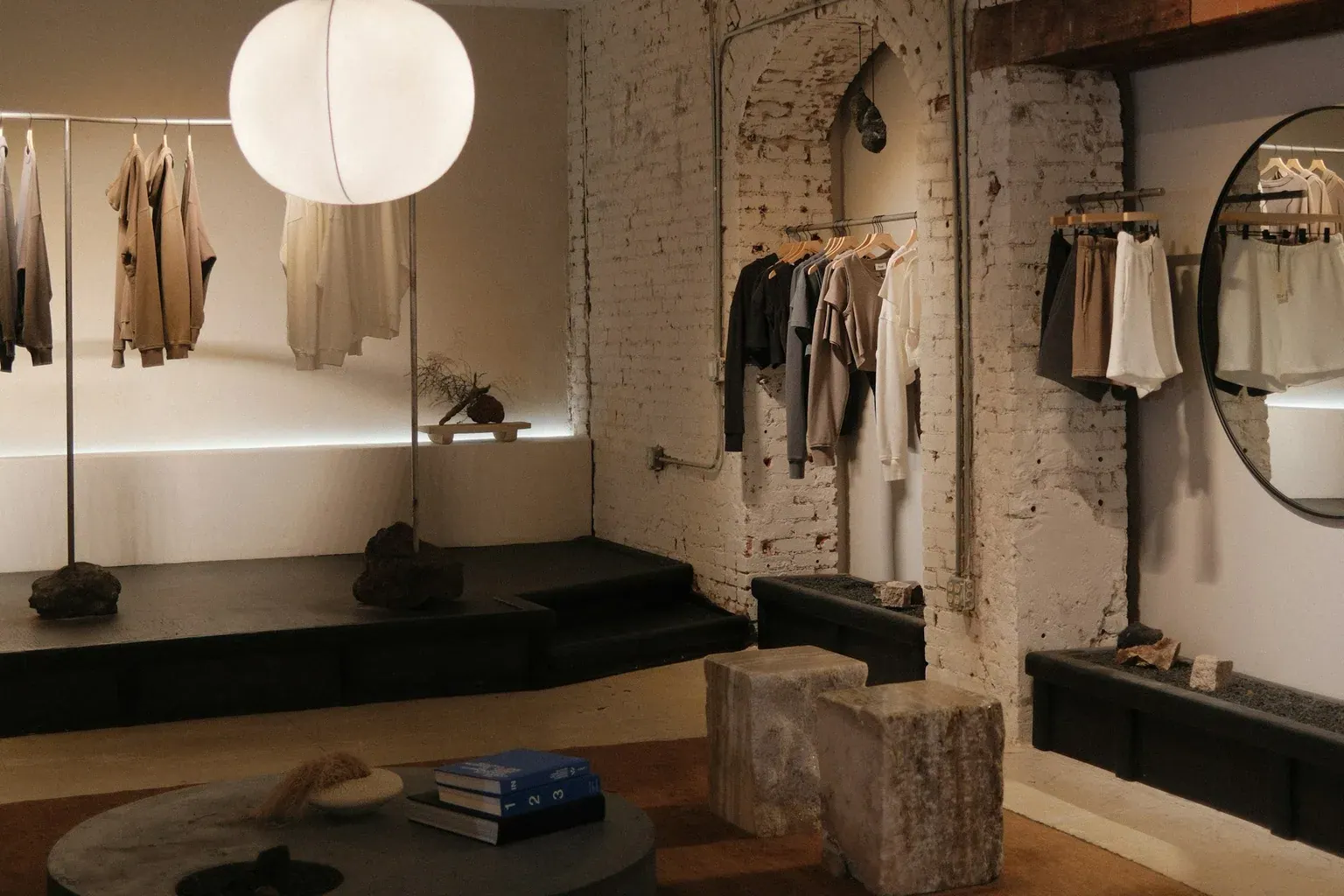
PEST CONTROL FOR RETAIL STORES.
PEST CONTROL FOR STORES AND STOREFRONTS.
Pest management for New York City stores, shopping centers and storefronts, protecting merchandise and keeping service invisible to customers.
PEST CONTROL
THAT PROTECTS THE SHELF.
A retailer sees pests twice: as a customer-experience problem on the sales floor and as a loss problem in the stockroom. Gnawed packaging, stained fabric and contaminated stock cannot be sold, and one sighting in front of a customer can cost trust that is hard to recover.
We start at the back of the store, where deliveries arrive and cartons are stacked, then work toward the front. Methods keep treated areas away from merchandise and the public, and visits are timed so they happen before opening, after closing or during quiet periods.
RISKS IN
A RETAIL SPACE.
Different merchandise brings different pests.
Rodents in stockrooms
Mice enter through storefront gaps and shared walls, then nest behind shelving and cardboard and gnaw packaging.
Fabric and paper pests
Clothes moths and carpet beetles feed on natural fibers, wool, leather and stored paper goods.
Delivery-borne insects
Cockroaches and other insects travel in cartons, pallets and returns and settle in receiving and stock areas.
Food and pantry pests
Groceries, pet food, seeds and bulk goods can host beetles and moths that spread through the shelf.
STOREFRONTS
AND CELLARS.
New York retail buildings come with their own entry points.
Many New York storefronts sit in mixed-use buildings with apartments above and a shared cellar below. Sidewalk cellar doors, coal chutes that were sealed decades ago, pipe penetrations through the cellar ceiling and gaps where the storefront meets the sidewalk all give mice and rats a way in. Stockrooms in those cellars, with cartons stacked against old masonry walls, are often where activity starts.
We inspect the cellar and the storefront line as carefully as the sales floor: door sweeps and thresholds, the sidewalk door frame and gasket, gaps around conduits and sprinkler pipes, and the space behind shelving where stock touches the wall. Where a basement is shared with another tenant or the building, we note what belongs to whom so the landlord and the store can each close their part.
OUR
APPROACH.

STEP 01
STORE ASSESSMENT
We inspect stockrooms, receiving, shelving, fitting rooms, restrooms and storefront gaps, and note how deliveries, returns and cardboard are handled.

STEP 02
DISCREET CONTROL
We place traps and stations out of customer sight, use baits and monitors in voids and behind fixtures, and recommend sealing and storage changes to protect merchandise.

STEP 03
ONGOING PROTECTION
Scheduled visits review device findings and delivery practices, and recorded notes help your team spot trends across stores or locations.
YOUR
QUESTIONS.
Will customers notice service?
Usually not. Visits are timed for before opening, after closing or slow periods, and devices are placed out of customer view.
Can you service multiple store locations?
Yes. We can plan a consistent program across locations and keep records by store so managers can compare findings.
What should staff do with deliveries?
Break down cardboard promptly, inspect cartons and pallets as they arrive, keep stock off the floor and away from walls, and rotate inventory so nothing sits undisturbed.
What if a customer sees a pest?
Tell us where and what it was. We inspect, identify the pest and recommend steps for the sales floor, including cleanup, sealing and monitoring.
REQUEST
A QUOTE.
Tell us about your store, the merchandise you carry and where you have seen activity. We will plan the assessment around your hours.
Describe the space
Type of store, whether it is a single storefront or part of a center, and stockroom or basement areas involved.
Name the merchandise
Whether it is apparel, grocery, home goods or another category, so we know what pests may be drawn in.
Share your hours
Opening and closing times, delivery days and who can open the store outside business hours.
NEW YORK CITY.
ALL FIVE BOROUGHS.
LET’S PUT PESTS
ON NOTICE.
Tell us what you are seeing and where. We will help you choose the right starting point for your home or business.