
Ants
Carpenter ants and large outdoor colonies in houses with wood, mulch and moisture.

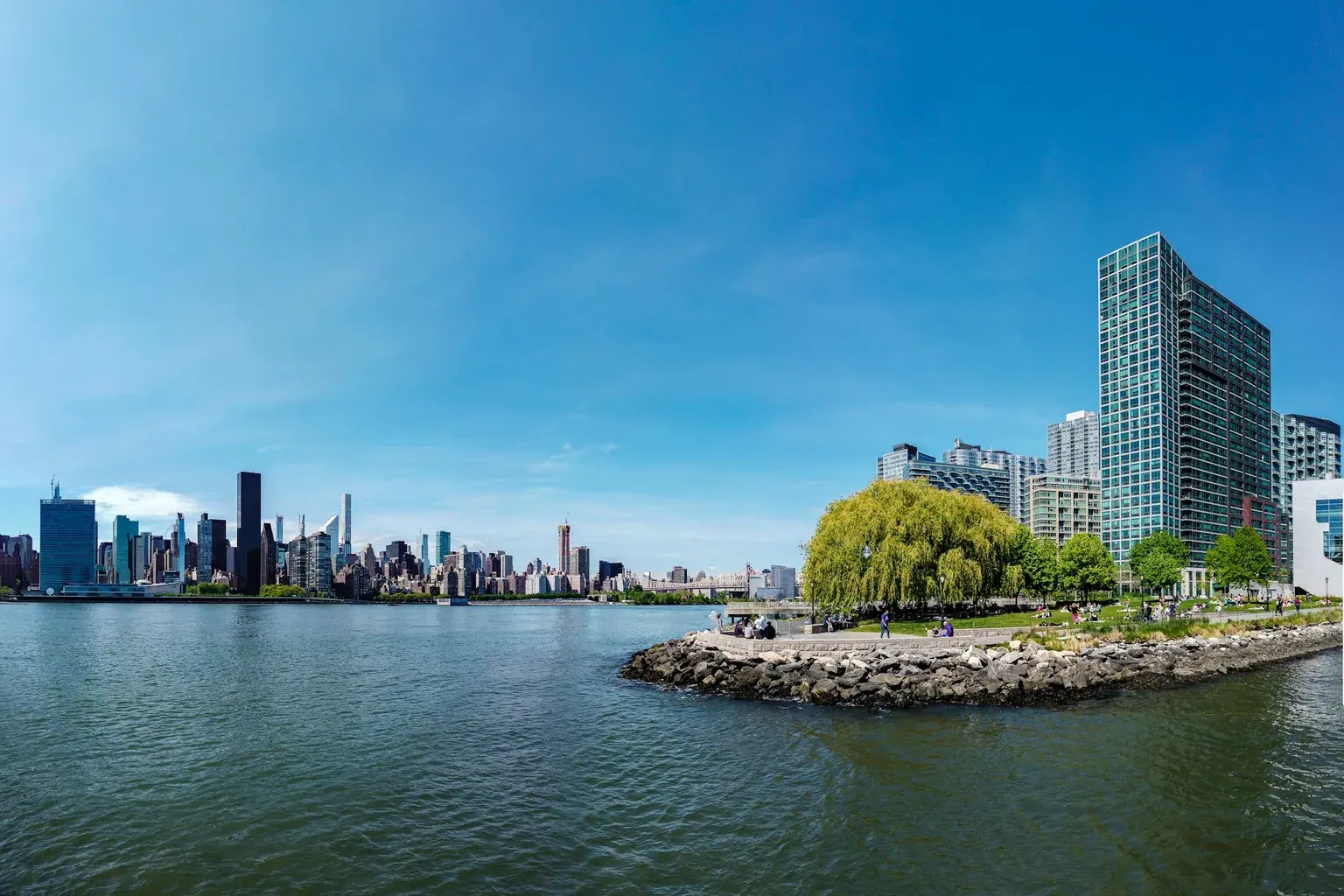
Row houses, garden apartments, yards and industrial corridors.
Inspection, treatment and follow-up for Queens houses, garden apartments, restaurants and warehouse properties.
Queens mixes attached row houses, garden apartment complexes and detached and semi-detached homes with their own yards. Which pests matter depends on the property: shared walls and basements in attached buildings, and gardens, sheds, decks and foundations around houses with outdoor space.
The borough also has warehouse and logistics corridors near the airports and major roads, where freight, open dock doors and outdoor lighting affect pest pressure. Its commercial streets hold a very wide range of restaurants and food shops, each with its own kitchen layout, deliveries and waste handling. We plan service for the property in front of us, not a one-size template.
Queens mixes houses with yards, garden apartments and commercial corridors, so we see both indoor and outdoor pests: ants, including carpenter ants, termites at foundations and porches, mice and rats in basements and garages, mosquitoes breeding in yards and near waterways, cockroaches in multifamily buildings and food businesses, and wasp nests under eaves.
Carpenter ants and large outdoor colonies in houses with wood, mulch and moisture.
 Ants
Carpenter ants and large outdoor colonies in houses with wood, mulch and moisture.

Subterranean activity at foundations, porches and wood-to-soil contact in houses.
 Termites
Subterranean activity at foundations, porches and wood-to-soil contact in houses.

Entering basements and garages in houses and shared-wall apartment buildings alike.
 Mice and rats
Entering basements and garages in houses and shared-wall apartment buildings alike.

Breeding in yards, planters, drains and near parks and waterways.
 Mosquitoes
Breeding in yards, planters, drains and near parks and waterways.

Inspection, targeted baiting and sealing for cockroaches in New York City homes and apartments.
 Cockroaches
Inspection, targeted baiting and sealing for cockroaches in New York City homes and apartments.

Nests under eaves, in sheds and in shrubs on residential properties.
 Bees and wasps
Nests under eaves, in sheds and in shrubs on residential properties.
If you have a yard, garage, shed or deck, let us know what we can access so we can inspect foundations, fences and storage areas where pests shelter outdoors.
Share the building or complex management contact, since shared grounds, trash areas and basements are often handled outside a single unit.
For warehouses and restaurants, tell us delivery windows, dock access and kitchen hours so inspection and treatment avoid your busiest periods.
Yards, waterfront edges and the city’s mosquito season.
The Health Department has repeatedly found West Nile virus in mosquito samples from Queens, and its seasonal program includes treating catch basins and applying larvicide by air to marshes and other non-residential areas. Infected mosquitoes are typically present from May through October, with the most activity in August and September. City work covers public areas; standing water on a private property is the responsibility of whoever controls it.
The Health Code requires property to be kept free of standing water, and around a Queens house that usually means clogged gutters, plant saucers, tarps, kiddie pools, birdbaths left for a week and low spots in the yard. On a visit we walk the property for these sources, treat water that cannot be removed with larvicide, and treat shaded resting areas where adults gather. Row houses and garden apartments get the same check on shared yards, drains and rooftops.
Often, yes. For a house we inspect the exterior as well as the interior: foundation gaps, utility openings, vegetation against walls, stored items and water sources. Apartments focus more on shared walls, pipes and neighboring units.
Yes. We plan around docks, receiving areas, storage and exterior perimeters, with monitoring devices, exclusion recommendations and written service reports.
Yes. Restaurant service covers kitchens, storage, drains and waste areas, scheduled around service hours, with documentation to support your own inspection readiness.
A short request is enough to start. Tell us what you have noticed and where, and we will follow up to plan the assessment.
The pest or signs you have seen, the rooms or areas involved, and how long it has been happening.
We review your request and follow up to discuss access, preparation and the assessment.
Tell us what you are seeing and where. We will help you choose the right starting point for your home or business.