Basements, crawlspaces and yards from Brooklyn to Staten Island.
For New York City basements, ground-floor apartments, garden units and houses. We find where crickets enter and live, and make those spaces less welcoming.
CRICKETS INDOORS? IDENTIFY BEFORE YOU TREAT.
Crickets in the home usually belong to one of three groups.
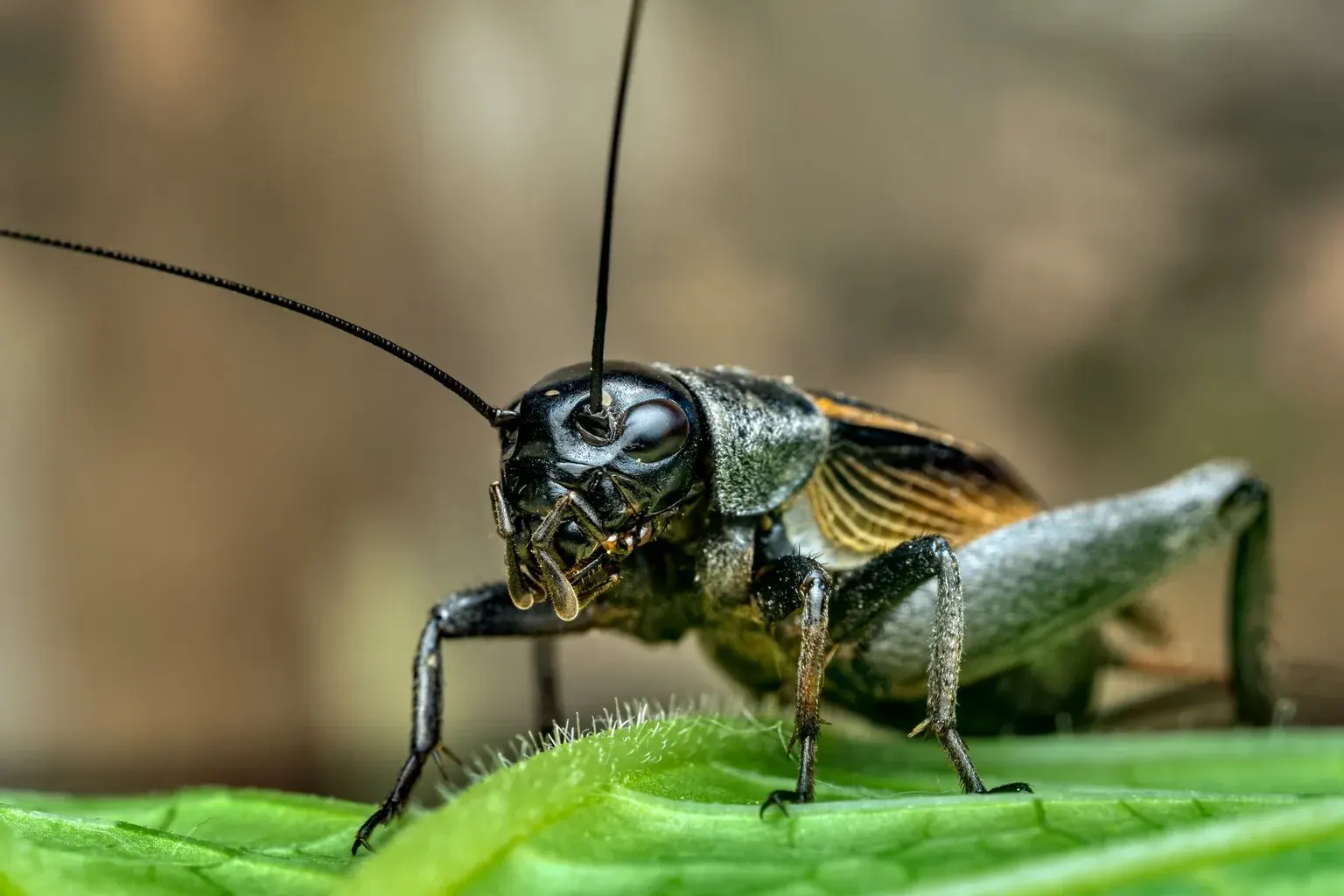
House crickets are tan, with long antennae, and males chirp at night. They live in warm spots such as behind boilers, in kitchens and in crevices. Field crickets are darker and come in from gardens, lawns and vacant lots, especially in late summer, drawn by lights. Camel crickets, also called cave or greenhouse crickets, are humpbacked, do not chirp and live in damp, dark spaces such as basements, crawl spaces and garages.
Crickets do not bite and do not spread disease, but they can chew fabric, paper and plants, and the noise is the most common complaint. They need moisture, shelter and often outdoor lighting to draw them in, so the fix is rarely just a spray.
WHERE WE SEE CRICKETS IN NYC.
Camel and field crickets show up in damp basements, cellars and crawlspaces of row houses in Brooklyn and Queens and in detached homes with yards on Staten Island. After rain or in late summer they move indoors from wall voids, window wells and garden beds, so moisture and entry points are the focus.
We work from the outside in, then treat the places crickets live.
STEP 01
INSPECT & IDENTIFY
We identify the cricket, check basements, utility rooms, door thresholds, window wells and outdoor lighting, and use monitors to confirm where activity is.
Tell us when you hear chirping and which rooms are noisiest.
STEP 02
TREAT & REDUCE
We apply targeted treatments to harborages and entry areas and recommend dehumidification, clean-up of clutter and lighting changes.
Product placement follows the label and the room.
STEP 03
SEAL & MONITOR
We seal gaps at doors, foundations and pipes, then check monitors at follow-up and adjust the plan.
Camel cricket pressure tends to track moisture and seasons.
TARGET THE PROBLEM. CHOOSE THE APPROACH.
Moisture, shelter and entry all need to be addressed.
01
Moisture and clutter reduction
Dehumidifiers, fixing leaks and clearing stored boxes and debris remove the damp, sheltered places crickets prefer, which is especially important for camel crickets in basements.
Cardboard on the floor of a damp basement is a favorite harborage.
02
Perimeter and harborage treatment
A targeted residual application along thresholds, foundation edges and around harborage areas, or baits and dusts in voids, intercepts crickets as they move. Use follows the label and avoids food and occupied surfaces.
03
Exclusion and lighting changes
Door sweeps, weatherstripping and sealed pipe penetrations block entry. Moving or switching lighting away from doors reduces the insects that draw field crickets in at night.
Yellow or warm lights draw fewer insects than white lights.
KNOW THE SIGNS. WHAT CRICKET ACTIVITY LOOKS LIKE.
Noise is often the first sign, but there are others.
Chirping at night
Repetitive chirping from walls, boiler rooms or behind appliances is male house or field crickets calling.
Insects in damp spaces
Humpbacked, jumping insects in basements, laundry rooms and crawl spaces suggest camel crickets.
Chewed fabric or paper
Irregular holes in cotton, wool or synthetic fabric, or chewed paper in storage, may be crickets feeding.
Insects at door thresholds
Dead or live crickets along sills and door tracks show where they are entering.
YOUR PART. BEFORE AND AFTER THE VISIT.
These steps make treatment more effective.
Clear stored items
Move boxes and clutter away from basement walls so we can reach the baseboards and floor edges.
Lower humidity
Run a dehumidifier in damp basements and report leaks to building management.
Review outdoor lighting
Turn off or shield lights near doors that are not needed overnight.
Seal small gaps
Close gaps around doors and windows with weatherstripping where you can, and tell us about larger openings.
YOUR QUESTIONS. CLEAR ANSWERS.
Why are crickets in my basement?
Basements are damp, dark and sheltered, which is exactly what camel crickets like. They can also enter through foundation cracks, vents and door gaps. Reducing moisture and sealing entry points usually matters more than treatment alone.
Do crickets bite or carry disease?
No. Crickets do not bite people in any meaningful way and do not spread disease. They are a nuisance, mainly through noise and occasional chewing of fabric, paper or stored items.
Can I stop the chirping myself?
The chirping stops when the males are gone. Finding where they are calling from helps us place treatment. Noise often moves, so a short log of rooms and times is useful.
Do crickets come back every year?
Field crickets enter in late summer and fall. Sealing and lighting changes prevent this. Camel crickets track dampness, so ongoing moisture control is the best protection.
How many visits are needed?
A light problem may settle after a single treatment with moisture and sealing changes. Larger populations in basements or utility rooms usually need a follow-up visit to check monitors.
READY FOR THE VISIT? START HERE.
A little information helps us plan the assessment. Before treatment, we will give you preparation instructions for your home.
Tell us what you hear and see
Share where chirping is loudest, what the insects look like and whether they have long antennae or a humped back.
Describe the space
Note whether it is a basement, ground-floor unit or garden apartment, and any dampness.
Share a photo
A clear photo of the cricket, or a trap catch, helps us identify the species.