
Mice and rats
Entering through cellars, shared walls and gaps in attached rowhouses, and drawn to restaurants and trash storage.

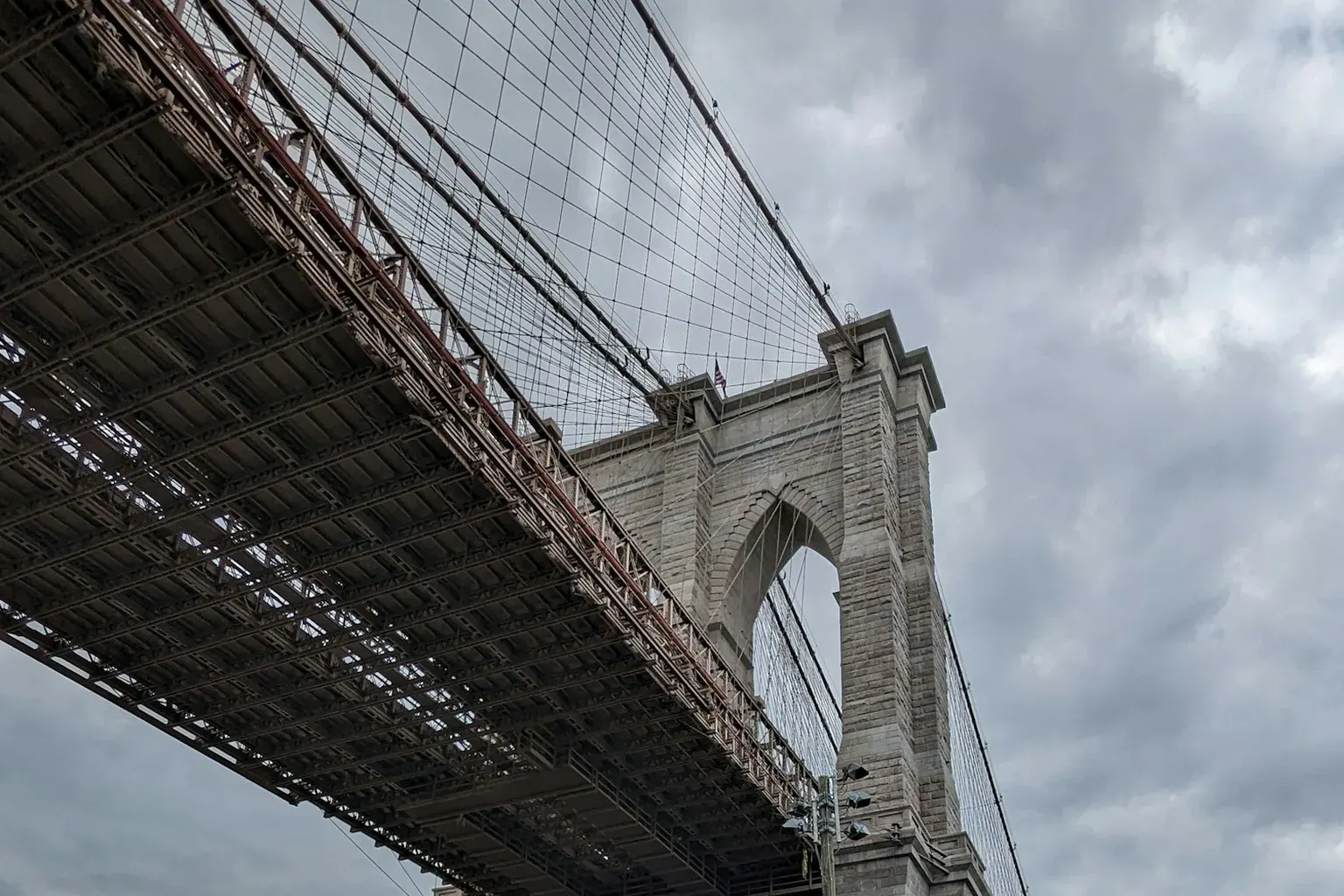
Brownstones, rowhouses, multifamily buildings and restaurants.
Inspection, treatment and follow-up for Brooklyn rowhouses, apartment buildings, restaurants and industrial properties.
Brooklyn is built largely of attached rowhouses, brownstones and low- to mid-rise multifamily buildings. Shared party walls, cellars and rear yards give pests routes between neighboring properties, so we look at how your building connects to the ones beside it as well as at the unit you called about.
Along working waterfront and industrial areas such as Gowanus and Red Hook, warehouses, loading docks and older masonry structures bring different conditions from residential streets. Brooklyn also has dense restaurant and retail corridors, where deliveries, waste handling and shared walls shape the plan. We schedule around your hours and explain what we find.
In Brooklyn the most common calls are mice and rats entering through cellars and shared walls, cockroaches and bed bugs moving through multifamily buildings, silverfish in humid cellars and older rooms, termites in wood framing and kitchen or carpenter ants in homes with moisture problems. Older attached housing and a large restaurant and warehouse base shape the work.
Entering through cellars, shared walls and gaps in attached rowhouses, and drawn to restaurants and trash storage.
 Mice and rats
Entering through cellars, shared walls and gaps in attached rowhouses, and drawn to restaurants and trash storage.

Inspection, targeted baiting and sealing for cockroaches in New York City homes and apartments.
 Cockroaches
Inspection, targeted baiting and sealing for cockroaches in New York City homes and apartments.

Inspection, heat or targeted treatment, preparation guidance and follow-up checks for bed bugs in New York City apartments and homes.
 Bed bugs
Inspection, heat or targeted treatment, preparation guidance and follow-up checks for bed bugs in New York City apartments and homes.

Thriving in humid cellars, closets and older plaster and paper-rich rooms.
 Silverfish
Thriving in humid cellars, closets and older plaster and paper-rich rooms.
Tell us if we can reach the cellar, boiler room, rear yard or garden, since entry points and harborage often sit below grade or at the back of the property.
If you live in a rowhouse or multifamily building, let us know which neighbors or landlord should be involved so work on shared walls and pipe chases can be coordinated.
For restaurants and industrial sites, share delivery times, dock access and waste-pickup schedules so inspection and treatment fit around operations.
Small buildings, back yards and the trash rules that apply to them.
Many Brooklyn rowhouses, brownstones and walk-ups have one to nine units, which puts them under the city’s bin rule since November 2024: trash set out after 6 p.m. must be in a bin of 55 gallons or less with a secure lid. Lidded bins and closed areaways cut the food supply that keeps rats near stoops and rear yards, and they make our exclusion work last longer.
Bushwick, Bedford-Stuyvesant and Prospect Heights form one of the four Rat Mitigation Zones designated by the Health Department, where the city focuses rat inspections and community outreach. Wherever you are in the borough, the work at a rowhouse follows the same order: find burrows and runways in the yard and cellar, seal gaps at pipes, vents and party walls, then trap or bait in tamper-resistant stations and check activity on return visits.
Attached buildings share walls, rooflines, cellars and sometimes pipe chases. Mice, cockroaches and other pests can use these connections, so we check both sides of shared structure where access allows and recommend coordinated sealing.
Yes. Older masonry and converted multi-unit buildings often have gaps around pipes, flues, floors and foundations. We inspect for those entry points and seal what we can as part of the plan.
Yes. Commercial service is planned around your operating schedule, with inspection, monitoring devices and written service reports, and attention to docks, drains and waste areas.
A short request is enough to start. Tell us what you have noticed and where, and we will follow up to plan the assessment.
The pest or signs you have seen, the rooms or areas involved, and how long it has been happening.
We review your request and follow up to discuss access, preparation and the assessment.
Tell us what you are seeing and where. We will help you choose the right starting point for your home or business.