Web and egg-sac removal
Physically removing webs and egg sacs with a vacuum or duster reduces the next generation and shows quickly whether activity returns.
A vacuum is the most direct method for egg sacs and webs.

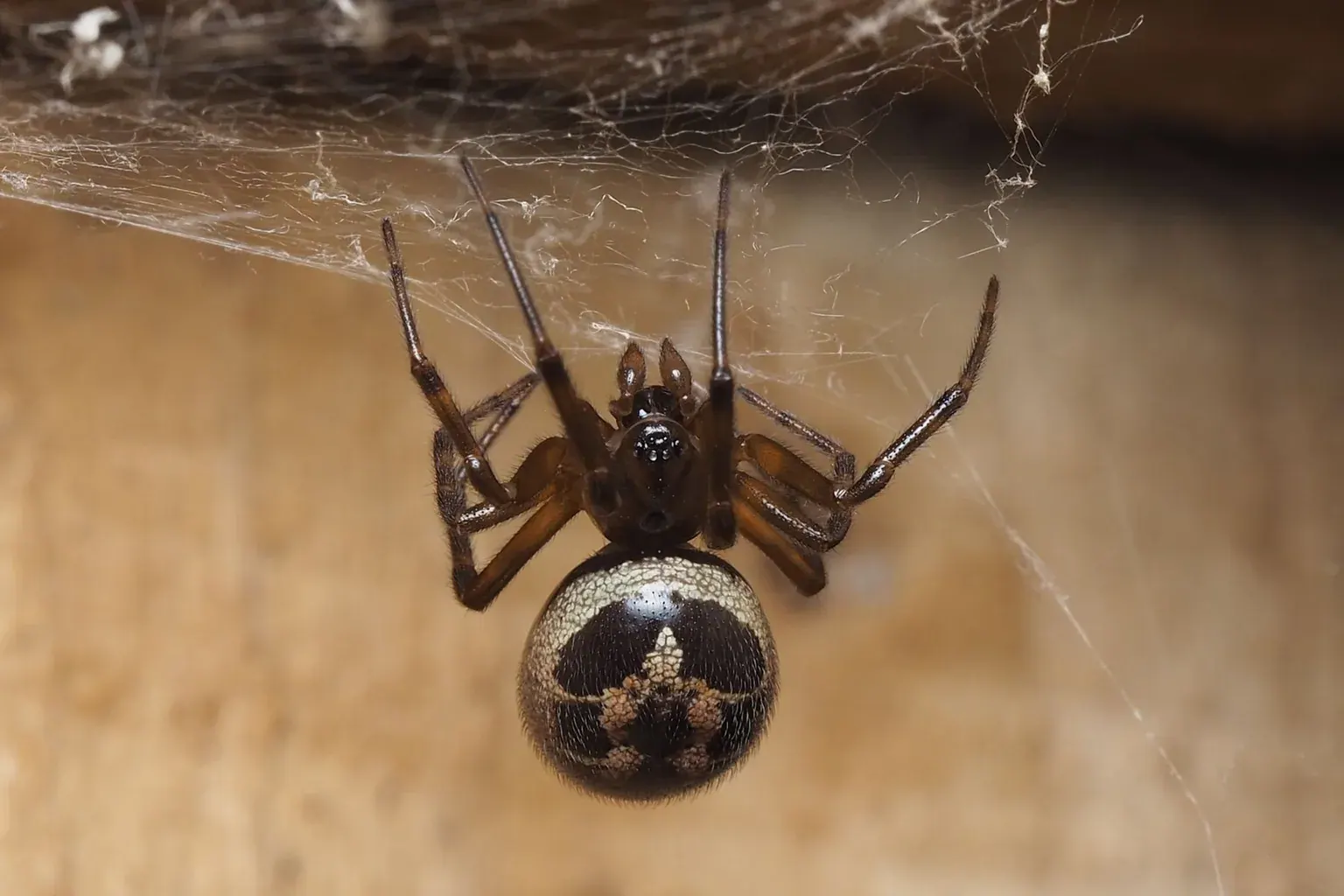
Basements, garages and windowsills across the city.
For New York City apartments, basements and houses. A calm, practical approach that treats spiders and the insects they feed on.
Most spiders indoors are common house spiders that pose little concern. Identification decides what happens next.
Spiders are predators. Indoors they usually settle where insects pass, such as window frames, corners of ceilings, basements, closets, garages and the dark space behind furniture. Cobweb spiders build tangled webs, while others hunt without a web or wait in funnel-shaped retreats.
A spider problem usually means an insect problem somewhere nearby, along with clutter and undisturbed corners. We identify what you have, tell you whether it is worth treating and explain what we can reasonably do. If you are unsure whether a spider is medically significant, photograph it and share it with us before handling it.
Houses with yards, garages and basements on Staten Island and in Queens see the most spiders, and outdoor species move in each fall. In Manhattan and Brooklyn apartments the spiders you notice are usually house spiders in corners, behind furniture and near windows, which follow the insects they feed on.
Identification, then the cleanup and treatment that fit what we find.

STEP 01
We check ceiling corners, window frames, basements, closets, stored boxes and exterior entry points, identify the spiders and look for egg sacs and the insects they feed on.
Photos of spiders and webs help us arrive prepared.

STEP 02
We remove webs and egg sacs, apply a targeted treatment into corners, cracks and exterior harborage, and recommend sealing and sanitation changes.
Product choice follows the label and the room.

STEP 03
We check activity at a follow-up visit, review monitors and adjust, especially if prey insects are still present.
New webs often reflect new insect activity.
Treating spiders alone rarely lasts. The plan includes what they eat and how they get in.
Physically removing webs and egg sacs with a vacuum or duster reduces the next generation and shows quickly whether activity returns.
A vacuum is the most direct method for egg sacs and webs.
Residual products placed into corners, voids and exterior harborage such as window frames, door thresholds and foundation edges, according to the label.
We avoid broad spraying of living areas.
Weatherstripping, screens, door sweeps and sealed utility penetrations keep spiders and their prey out, and outdoor lighting changes reduce insects gathering near entries.
Controlling the insects spiders feed on is part of the plan.
Webs and egg sacs usually reveal where spiders settle.
Tangled cobwebs in ceiling corners, behind furniture, in basements and around windows and light fixtures.
Small round or papery sacs, often tucked into corners, boxes and the underside of furniture.
Flat webs with a tunnel retreat in basements, window wells, foundation edges and crawl spaces.
Gnats, flies, ants or moths gathering in the same area often draw spiders in.
Reducing clutter and insects makes the treatment last.
Clear boxes, clothing and stored items from along walls, in basements and under beds so we can see and reach harborage.
Vacuum webs, egg sacs and corners, including behind furniture, and empty the vacuum outside.
Repair torn screens, fit door sweeps and ask us about caulking gaps around windows and pipes.
Bright exterior lights draw insects to entries. Warm, shielded lighting helps.
Most spiders found indoors are harmless to people and bites are uncommon. If you think you have been bitten, or you are unsure whether a spider is medically significant, speak with a clinician and, if safe, keep or photograph the spider for identification.
Single spiders are often part of the normal ecosystem of a home and eat other insects. If you prefer them gone, catching and releasing outside, or vacuuming, works. A recurring population is a reason to look at prey and entry points.
Webs are quickly rebuilt where insects keep arriving or where the spider has a protected retreat. Sealing gaps, reducing insects and removing egg sacs reduce this.
In many homes, removal of webs and egg sacs, sealing and insect control are enough. We recommend a targeted treatment where activity is heavy or the species and setting call for it.
A little information helps us plan the inspection. Before treatment, we give you preparation instructions for your home.
Share the rooms, the size and color of the spiders, and send photos if you can do so safely.
Mention gnats, flies, ants or moths in the same space, since they affect the plan.
Do not pick up a spider you cannot identify. A photo is enough for us to start.
Tell us what you are seeing and where. We will help you choose the right starting point for your home or business.