Pipe and conduit gaps
Openings around plumbing, gas and electrical lines are packed with steel wool or copper mesh and finished with sealant, so rodents cannot gnaw through and insects cannot crawl along them.

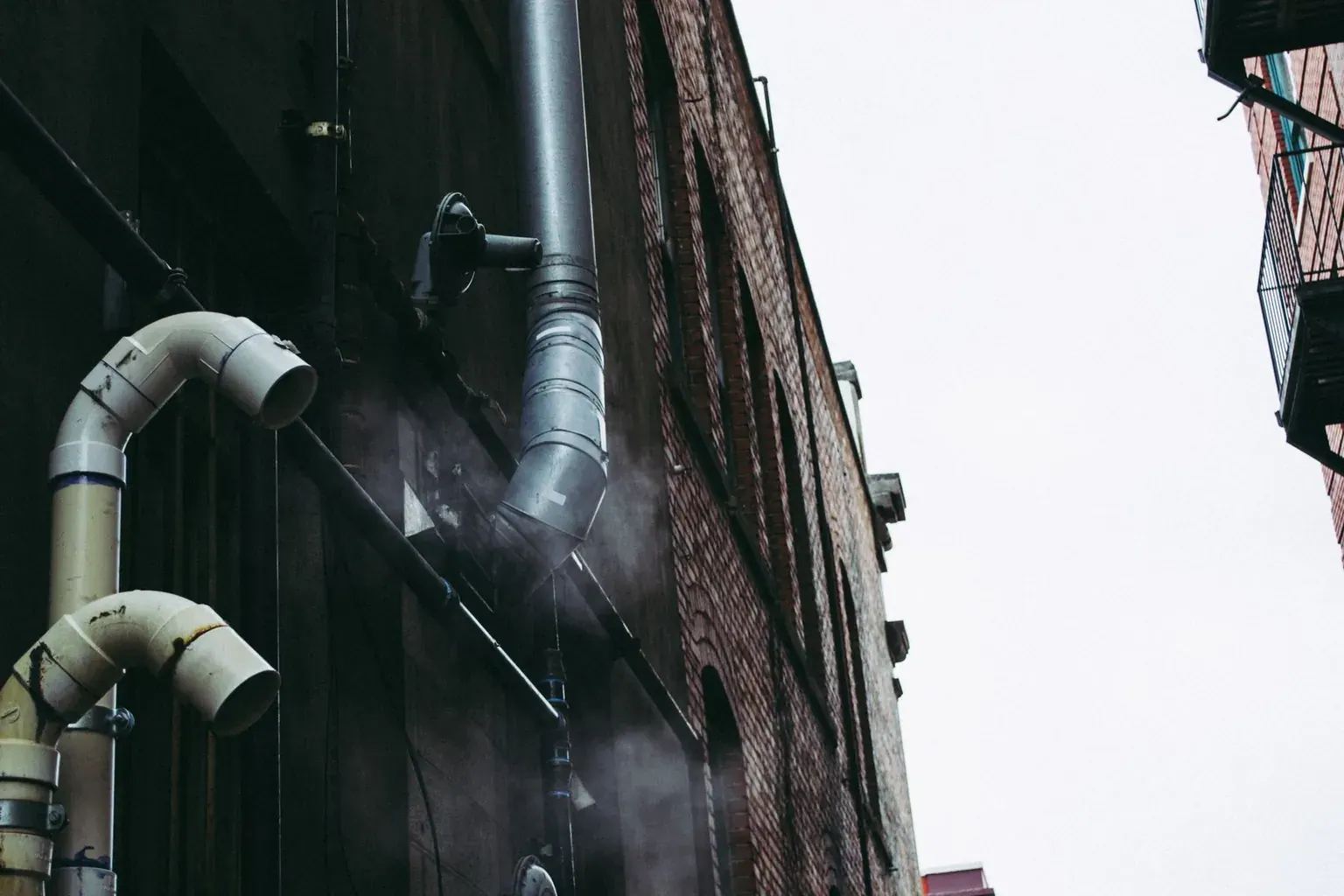
CLOSE THE WAYS IN.
Treatment deals with the pests you have. Pest-proofing deals with how they got there, by finding and closing the openings and conditions that let them in.
Most pests arrive through the same few routes.
In New York City buildings, pipes, conduits and wall voids connect apartments to each other and to basements, roofs and trash rooms. Gaps around those penetrations, under doors and at the base of walls give mice, cockroaches and other pests a way to move in and between units.
Pest-proofing, also called exclusion, is the work of finding those openings and closing them with materials pests cannot chew through. It pairs with treatment: treatment reduces the population, and sealing makes it harder for the next one to arrive.
We start by finding the routes, then close what can be closed.

STEP 01
We check around pipes, vents, doors, windows, baseboards, cabinets and utility penetrations, and look for rub marks, droppings and damage that show where pests travel.
Tell us where you have noticed activity.

STEP 02
We close gaps with steel wool, copper mesh, metal flashing, cement or suitable sealants, fit door sweeps and screens, and repair what we can reach within the scope agreed.
Larger structural repairs may be a job for building management or a contractor.

STEP 03
We note what was sealed, what remains open and which conditions, such as moisture or stored items, add to the risk, and we recheck activity on the follow-up visit.
Keep the notes for building management.
The right material depends on the gap and on what is trying to get through.
Openings around plumbing, gas and electrical lines are packed with steel wool or copper mesh and finished with sealant, so rodents cannot gnaw through and insects cannot crawl along them.
Door sweeps close the gap at the threshold, and intact vent and window screens keep out flying insects. Worn weatherstripping is replaced where we can.
Cracks along baseboards, behind sinks and at cabinet edges are caulked, which removes harborage for cockroaches and silverfish.
Small habits support the sealing work.
Tell building management about holes, missing sweeps and damaged screens so they can be repaired.
Fix leaks and wipe standing water. Many pests, including cockroaches and silverfish, depend on it.
Shelving and clear aisles in basements, closets and storage rooms leave fewer places to hide and make inspection easier.
Hard containers for pantry items and pet food, and closed trash, remove the reason pests come in.
It lowers the number of routes in, and it works best alongside treatment and good sanitation. In a building with shared walls, openings elsewhere can still matter, so we explain what was and was not addressed.
Work in shared areas and other units needs the building owner or management to arrange access. We can recommend what to seal and where.
Sealing often sits within a treatment plan for rodents and cockroaches. We confirm what is included when we plan the visit.
It depends on the size of the space and how many openings we find. We will tell you what to expect when we have inspected.
Often, yes. In buildings with three or more apartments, Local Law 55 asks owners to seal holes, gaps and cracks pests use, repair leaks and fit door sweeps on doors leading to hallways, basements and outside. We can document the openings we find so they can be reported to the building, and seal what falls inside your apartment.
A short request is enough to start. Tell us what you have noticed and where, and we will follow up to plan the assessment.
Where you have noticed activity or drafts, the rooms involved, and any gaps you have already seen.
We review your request and follow up to discuss access, preparation and the assessment.
Tell us what you are seeing and where. We will help you choose the right starting point for your home or business.