
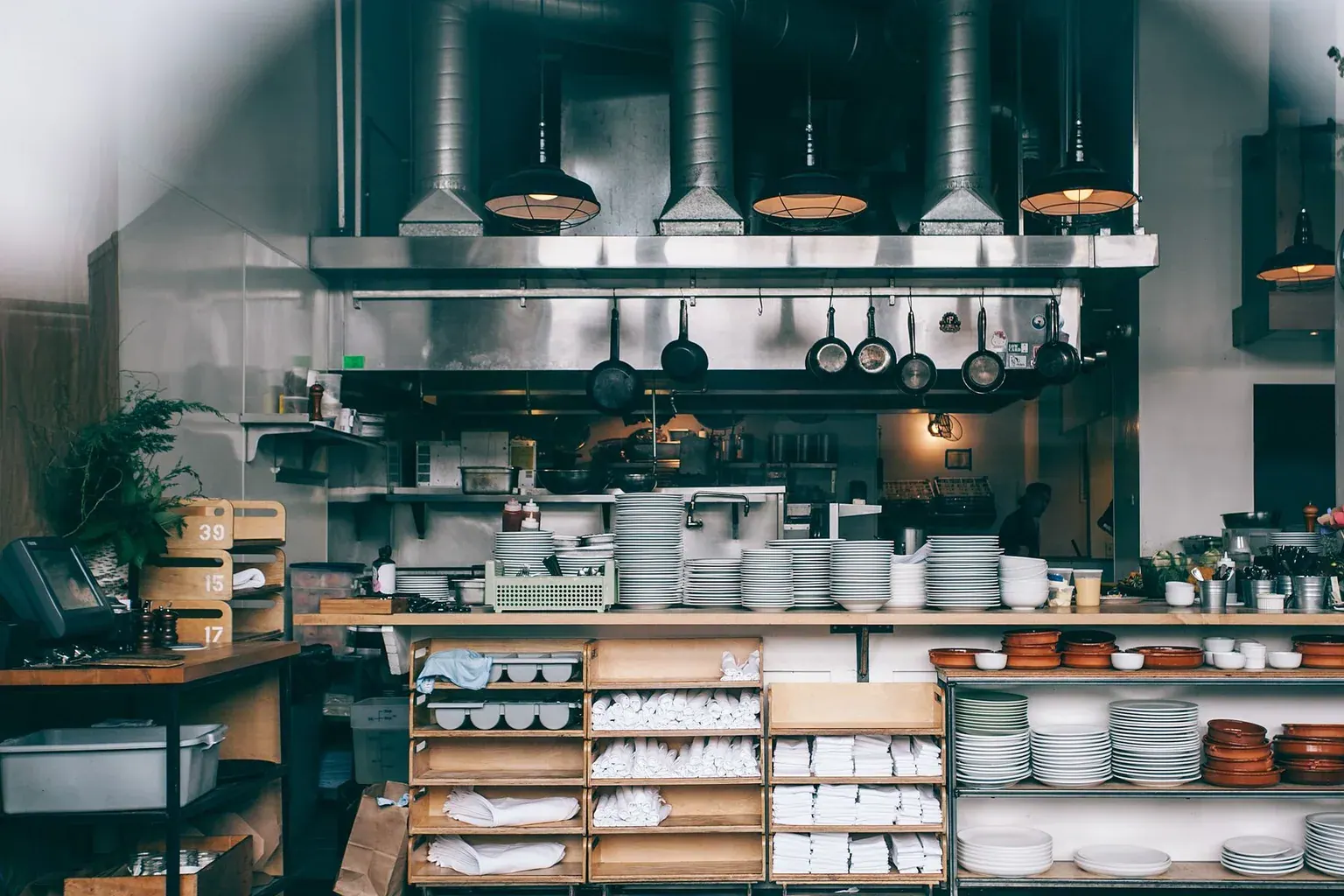
PEST CONTROL FOR RESTAURANTS & FOOD SERVICE.
PEST CONTROL FOR RESTAURANTS AND KITCHENS.
Pest management for New York City restaurants, commercial kitchens and caterers, scheduled around your service and ready for the day an inspector walks in.
PEST CONTROL
FOR RESTAURANTS AND KITCHENS.
A working kitchen gives pests everything at once: food, water, warmth and cluttered corners. In New York City the pressure is higher because restaurants share walls, basements, shafts and sidewalks with neighbors, and deliveries arrive through the same doors every day.
Our service is built around the back of house. We inspect from the receiving door to the dish pit and the dumpster, record what we find, and treat in ways that suit an open food-handling space. Visits are timed so they do not collide with prep, service or deliveries.
RISKS IN
A FOOD OPERATION.
Each risk has a different cause and a different fix.
German cockroaches
Warm equipment housings, gaskets, steam tables and wet mop areas shelter them, and they travel in cardboard and crates.
Mice and rats
Gaps at door sweeps, pipe chases and the sidewalk-side wall bring rodents toward dry storage, walk-ins and waste areas.
Drain and fruit flies
Slow floor drains, grease buildup, bar mats and soda lines hold the moist organic film that flies breed in.
Pantry pests
Flour, rice, spices and dry goods can carry moths and beetles into storage shelves before anyone sees them.
TRASH, CONTAINERS
AND THE CURB.
Waste handling is where many restaurant rodent problems start.
Since August 2023, Sanitation rules have required food-related businesses in New York City, including restaurants, delis, bodegas, caterers and grocery stores, to set out putrescible trash in rigid containers with secure lids rather than loose bags. The Health Code adds that waste must be kept in tightly covered, watertight, pest-resistant receptacles until it is moved for pickup. A bag left on the sidewalk overnight feeds the same rats that later look for a way through your cellar door.
On a visit we look at the full waste path: where bags are filled, how long they sit inside, the condition of lids and bins, grease and liquid leaks, the area around the container between pickups and the doors staff use to take trash out. Those notes go into the service report with practical changes, such as washing bins on a schedule, keeping lids closed during service and moving the trash run closer to the carting pickup time.
OUR
APPROACH.

STEP 01
KITCHEN ASSESSMENT
We walk receiving, dry storage, walk-ins, prep and cook lines, dish areas, restrooms, grease traps, drains and waste areas, and note harborage, moisture and access points.

STEP 02
TARGETED CONTROL
We use gel baits, monitors, traps and exclusion in cracks and voids, and recommend sanitation and storage changes your team can make, such as off-floor storage and drain cleaning.

STEP 03
SERVICE AND RECORDS
Recurring visits are written up with findings, actions and recommendations, kept in a form your manager can show during a health-code inspection.
YOUR
QUESTIONS.
Can service happen outside business hours?
Yes. We plan access with you, including early morning or after-close windows, so work stays out of prep and service. Tell us who can let a technician in and how alarms or keys are handled.
Do you help us get ready for a health inspection?
We can review the pest-related conditions an inspector would look for, such as gaps, droppings, drain flies and storage practices, and give you a written list of what to correct. The inspection itself and its outcome are decided by the city.
Who looks after grease traps and drains?
Cleaning and pumping are usually handled by your grease or plumbing contractor. We inspect drains and traps as breeding sites and tell you where cleaning or enzyme-style drain maintenance would reduce flies and roaches.
What should staff do between visits?
Keep a simple sighting log, store food off the floor, break down cardboard on arrival, close dock and back doors, and report leaks. Small habits cut pest activity more than extra treatments.
REQUEST
A QUOTE.
Tell us about your kitchen, what you have noticed and when we can access it. We will plan the assessment around your service.
Describe the operation
Seating or covers, number of kitchens or commissaries, and whether you share walls or a basement with other tenants.
Share your service windows
The hours when the kitchen is quiet, delivery days and who can provide access outside business hours.
Note what you have seen
Where staff noticed roaches, flies or droppings, and any recent inspection notes about pests.
NEW YORK CITY.
ALL FIVE BOROUGHS.
LET’S PUT PESTS
ON NOTICE.
Tell us what you are seeing and where. We will help you choose the right starting point for your home or business.