Mattress and box spring encasements
Zippered bed bug encasements trap insects inside and remove hiding places on the bed. They also make later inspections quicker.

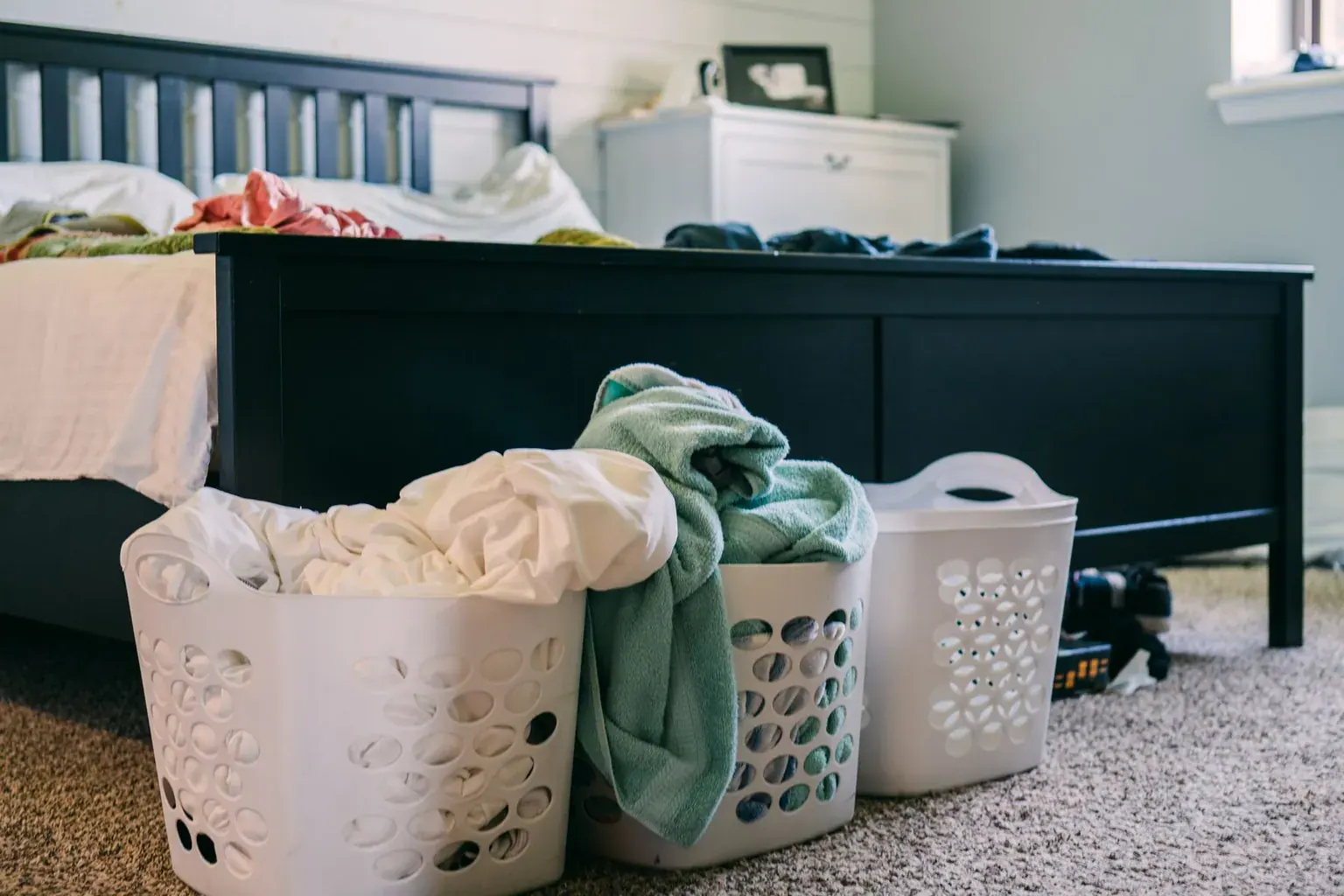
WHAT TO DO BEFORE THE TECHNICIAN ARRIVES.
Good preparation makes a bed bug treatment easier to carry out and easier to check. Here is what helps in a New York City apartment, and what tends to make things worse.
Preparation depends on the treatment, so confirm the plan first.
Bed bug treatment usually combines inspection, heat or targeted products, and a follow-up visit. The technician will tell you which rooms are involved and how to prepare them. A heat treatment and a product-based treatment ask for different things, so follow the preparation sheet for your plan rather than a general list.
In a building with shared walls, adjoining units can be part of the picture. Tell your building management early. Coordinated inspection of neighboring apartments is often what keeps the problem from returning.

STEP 01
Wash bedding, clothing and curtains from the affected rooms, then dry them on a high heat setting if the fabric allows. Move the clean items into sealed bags or bins so they are not re-exposed.
Carry items to the machine in a sealed bag and discard that bag afterward.

STEP 02
Reduce clutter on floors and under beds, and pull furniture a little away from walls so the technician can reach seams, headboards and baseboards.
Do not move items into other rooms or other apartments.

STEP 03
Leave the unit for the time your technician specifies, take pets and plants with you if asked, and return only after any required interval has passed.
Keep the preparation sheet nearby for the follow-up visit.
Several common reactions spread bed bugs or complicate treatment.
Bed bugs live in bed frames, seams, baseboards and furniture, so disposing of a mattress by itself does not end an infestation. It can also spread bugs through the hallway. An encasement is usually the better step.
Over-the-counter foggers and broad sprays can push bed bugs into walls and neighboring units, which makes inspection and treatment harder.
Sleeping on a sofa or in another room can carry bed bugs with you. Stay put unless the technician advises otherwise.
New York City requires owners to collect and share bed bug history.
Under Local Law 69, owners of multiple dwellings must try to collect each apartment’s bed bug history every year, including whether treatment was carried out, and file an annual report with HPD. The owner must share that history with tenants on the city’s form, by distributing it or posting it in the building, and provide it with new and renewal leases. HPD makes the filed information public.
Telling your landlord promptly and in writing is part of good preparation. It lets management arrange inspection of the apartments around yours, keeps the building’s record accurate and avoids a cycle where one unit is treated while the neighbors are not. Keep a copy of your preparation sheet and treatment dates; they are useful if you are asked about the infestation later.
Simple measures that support the treatment.
Zippered bed bug encasements trap insects inside and remove hiding places on the bed. They also make later inspections quicker.
Interceptor cups catch bed bugs trying to climb to or from the bed, and they show the technician whether activity continues.
Caulking baseboard gaps and sealing around outlet covers and pipes reduces places bed bugs can hide between visits.
Usually not. Most furniture can be inspected and treated. Discarding it can spread bed bugs through shared hallways, so ask your technician before removing anything.
It depends on the method and the extent of the infestation. A follow-up inspection is a normal part of the plan, and your technician will explain what to expect for your space.
Your landlord or building management, and neighbors who share walls with you if management coordinates it. Early notice helps coordinate inspection of adjoining units.
Pages on this site that go further on the topics above.

Inspection, heat and targeted treatment for New York City homes.
 Bed bug control
Inspection, heat and targeted treatment for New York City homes.

Building-wide programs for apartment buildings and co-ops.
 Multifamily buildings
Building-wide programs for apartment buildings and co-ops.

Conditions we see in Manhattan apartments and hotels.
 Pest control in Manhattan
Conditions we see in Manhattan apartments and hotels.
Rowhouses, walk-ups and multifamily buildings.
Pest control in BrooklynRowhouses, walk-ups and multifamily buildings.
A short request is enough to start. Tell us what you have noticed and where, and we will follow up to plan the assessment.
The rooms involved, what you have noticed, and whether neighbors have seen signs.
We review your request and follow up to discuss access, preparation and the assessment.
Tell us what you are seeing and where. We will help you choose the right starting point for your home or business.