
Mouse and rat control
Inspection, exclusion, sanitation and trapping or baiting.

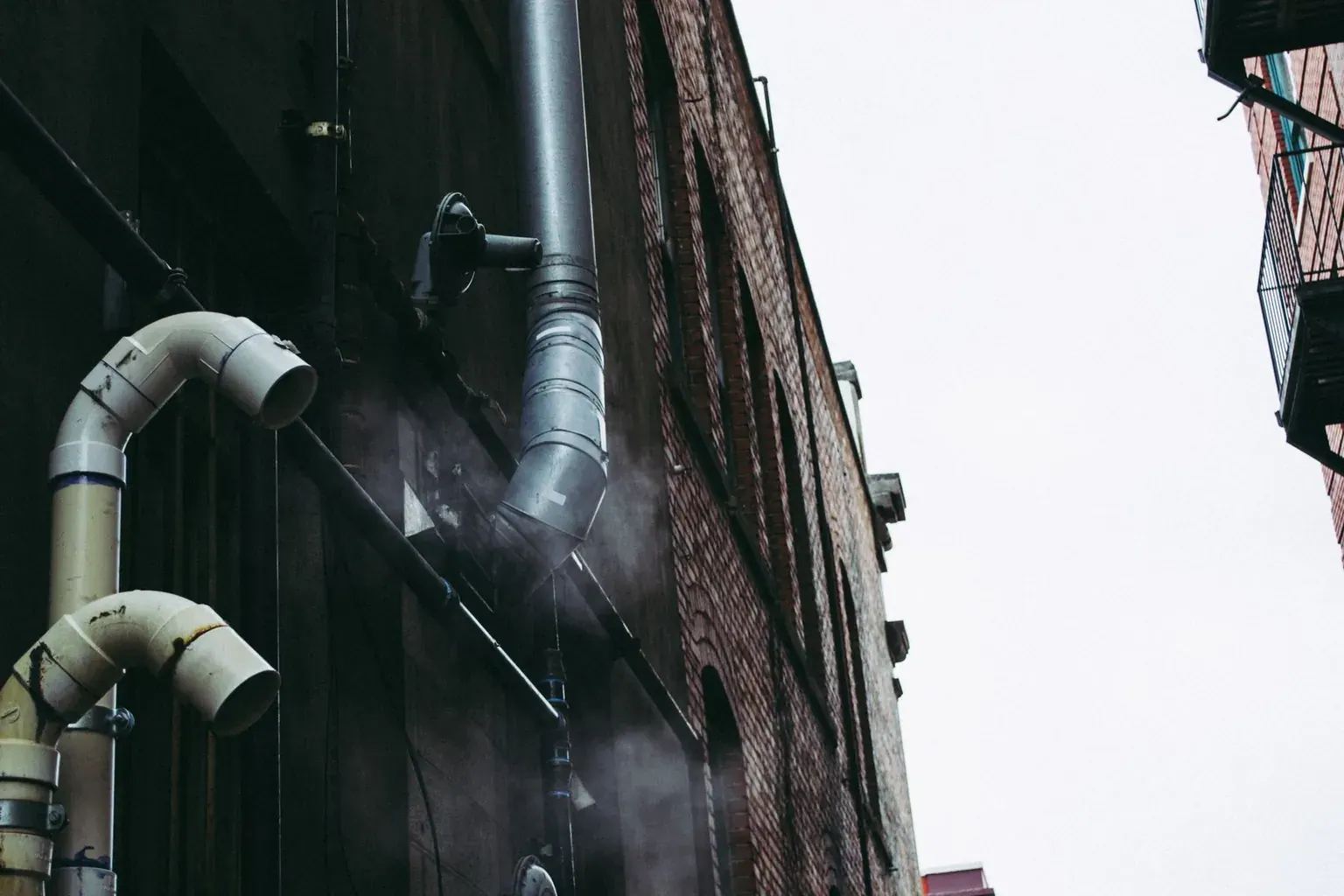
HOW THEY GET IN AND HOW TO STOP THEM.
Rodent control that lasts depends on closing the openings, removing food and shelter, and checking activity over time, not on traps alone.
Food, shelter and routes: the same three things in every building.
New York City buildings give rodents continuous routes. Pipes and conduits run between floors, walls are shared, and basements and trash rooms offer food and cover. Mice can use very small gaps, and rats travel along pipes, walls and utility lines. A single apartment is rarely the whole story.
Signs include droppings, greasy rub marks along walls, gnawed food packaging, scratching sounds at night and burrows near foundations or trash areas. Seeing a rodent in daylight can mean a large or disturbed population, so report it to building management promptly.

STEP 01
We look for droppings, rub marks, burrows and entry points around pipes, vents, doors and floor-wall junctions, and note where food and water are available.
Show us where you hear or see activity.

STEP 02
We seal openings with materials rodents cannot chew through, such as steel wool, metal mesh or flashing, and use snap or multi-catch traps and tamper-resistant bait stations under their label rules.
Sealing and trapping work together.

STEP 03
We recheck traps and stations, record activity and adjust placements. Sanitation and storage changes are added where food access is feeding the problem.
Activity should fall visit by visit.
Residents and building staff both have a part.
Keep pantry items, pet food and bird seed in hard containers, and take trash out in closed bags.
Tell building management about holes around pipes, missing door sweeps and dripping plumbing so they can be repaired.
In basements and storage rooms, shelves and clear aisles reduce nesting areas and make inspection easier.
If conditions are not addressed, residents can raise the issue with building management and, if unresolved, with the city through 311.
Food left out at night keeps rats close, so the city regulates it.
The Health Code requires garbage to be kept in tightly covered, watertight, pest-resistant receptacles until it is moved for pickup. Sanitation rules build on that. Buildings with one to nine units must put out trash after 6 p.m. in lidded bins of 55 gallons or less, and buildings with ten or more units can use lidded bins after 6 p.m. or set bags out after 8 p.m. Food businesses have used lidded containers since August 2023.
Where rat activity is highest, the Health Department has designated four Rat Mitigation Zones, in the Grand Concourse area, in Bushwick, Bedford-Stuyvesant and Prospect Heights, in Harlem, and in the East Village, Lower East Side and Chinatown, with extra inspection and outreach. Whatever your neighborhood, the most useful building changes are the same: close trash rooms, keep bin lids shut, sweep and wash set-out areas, and fill burrows after the rats using them are controlled.
No. Bait can reduce a population, but without sealing entry points and removing food and shelter, new rodents move in. We combine exclusion, sanitation and trapping or baiting.
A rodent can die inside a wall void. The odor usually fades as the animal dries out. Your technician can advise whether access to the area is possible.
Tamper-resistant stations and placement out of reach are standard practice, and products are used according to their labels. Tell us about pets and children so we plan placements around them.
Pages on this site that go further on the topics above.
Inspection, exclusion, sanitation and trapping or baiting.
 Mouse and rat control
Inspection, exclusion, sanitation and trapping or baiting.

Building-wide rodent programs for property managers.
 Multifamily buildings
Building-wide rodent programs for property managers.

Large apartment buildings and houses in the Bronx.
 Pest control in the Bronx
Large apartment buildings and houses in the Bronx.
Cellars, shared walls and rowhouses in Brooklyn.
Pest control in BrooklynCellars, shared walls and rowhouses in Brooklyn.
A short request is enough to start. Tell us what you have noticed and where, and we will follow up to plan the assessment.
Where you have seen or heard activity, how long it has been happening, and any gaps you have noticed.
We review your request and follow up to discuss access, preparation and the assessment.
Tell us what you are seeing and where. We will help you choose the right starting point for your home or business.